California Coastal Accelerator
California Coastal Accelerator
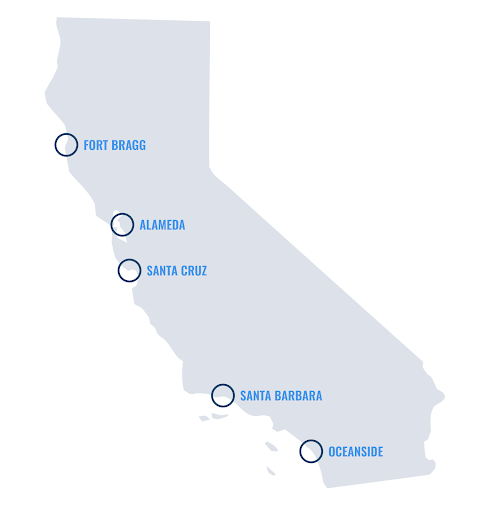
The Coastal Accelerator initiative was launched by Resilient Cities Catalyst to help drive coastal leadership and resilience project implementation in five coastal communities across the state. This program takes a two-pronged approach to support communities — providing funding and technical support to advance priority projects within each community and bringing together the local leaders implementing the projects in a cohort for peer exchange.
With support from the Coastal Accelerator Program, the City of Fort Bragg is developing an Economic Impact Report to quantify how a shared seawater intake and distribution system could support regional economic development through innovation, science and technology.

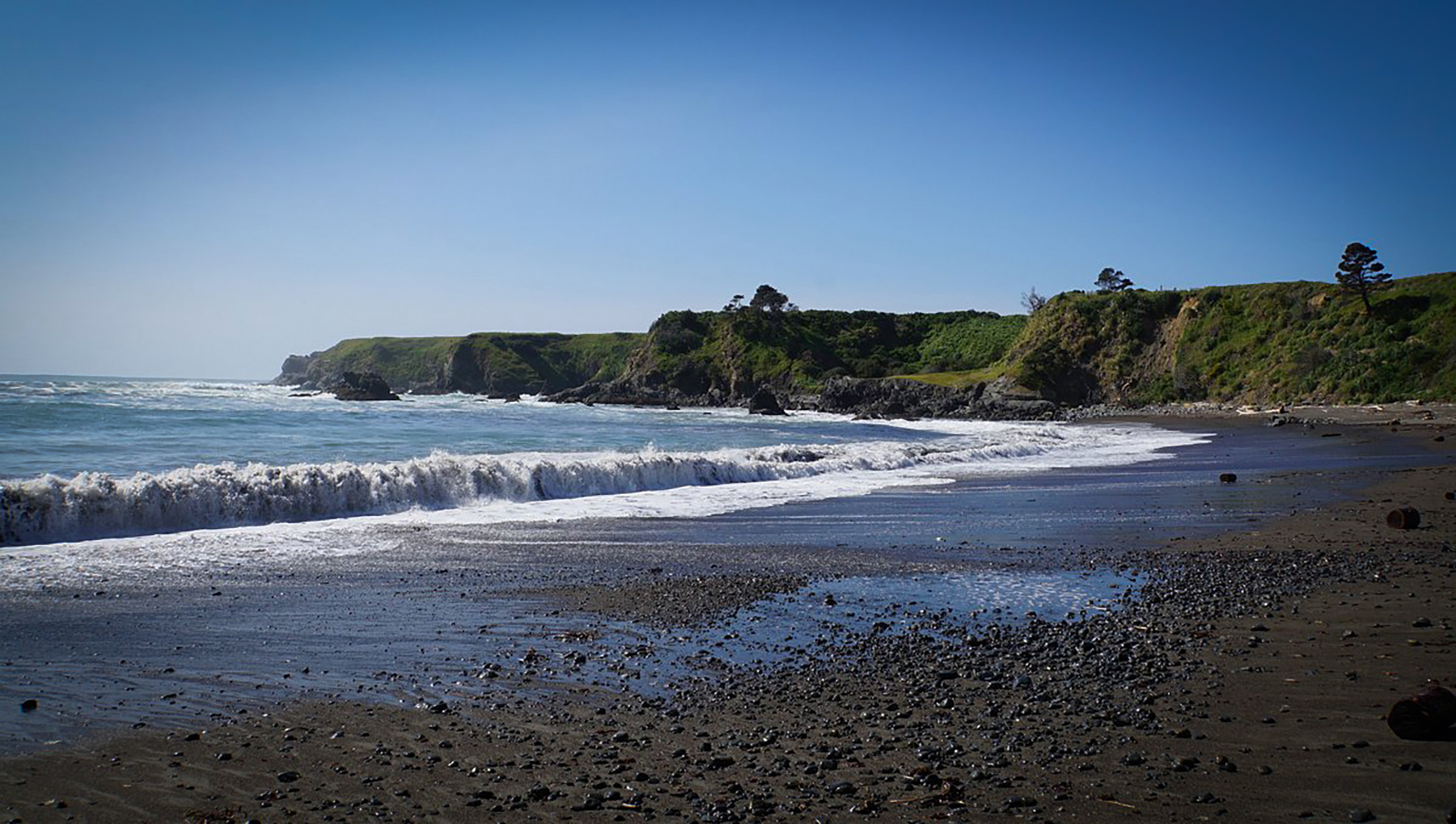
Noyo Beach
Noyo Beach
Noyo Beach sits at the mouth of the Noyo River and has been inhabited by Pomo peoples for thousands of years. The first sawmill in Northern California is said to have been established at the mouth of Noyo River, and by the late 1800s, Fort Bragg had developed into a prominent logging town. Fishing followed soon after, with fisheries established for salmon, rockfish, lingcod and halibut.
Today, Noyo Beach falls within a complex patchwork of jurisdictions. The beach itself and half of the parking lot are owned by the City of Fort Bragg and leased to the Noyo Harbor District, which maintains an 11.5 acre dewatering cell used in connection with dredging operations. The unimproved roadway behind the cell located on tribal land and is subject to a City utility easement.
Access to the beach is similarly divided among jurisdictions. The public road begins within the Fort Bragg city-limits, continues as a County road through the north harbor, transitions to the Noyo Harbor District at the Caltrans bridge, and then returns to City jurisdiction near the beach.
Many coastal resilience projects are emerging around Noyo Beach. During the BEVRI process a 2-part workshop was held to discuss potential adaptation measures to address the vulnerability of the dredge sediment dewatering cell, while improving public access and restoring ecosystem functions.
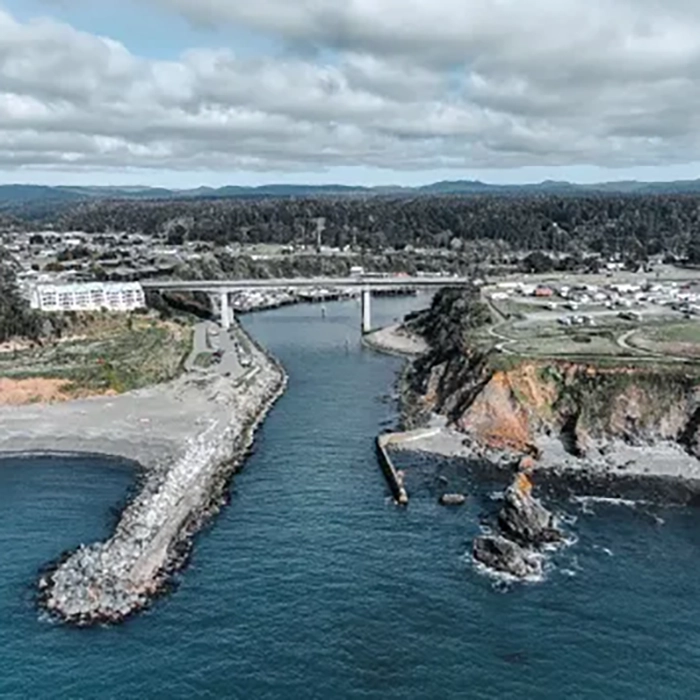
Federal Jetty & Dredge
Federal Jetty & Dredge
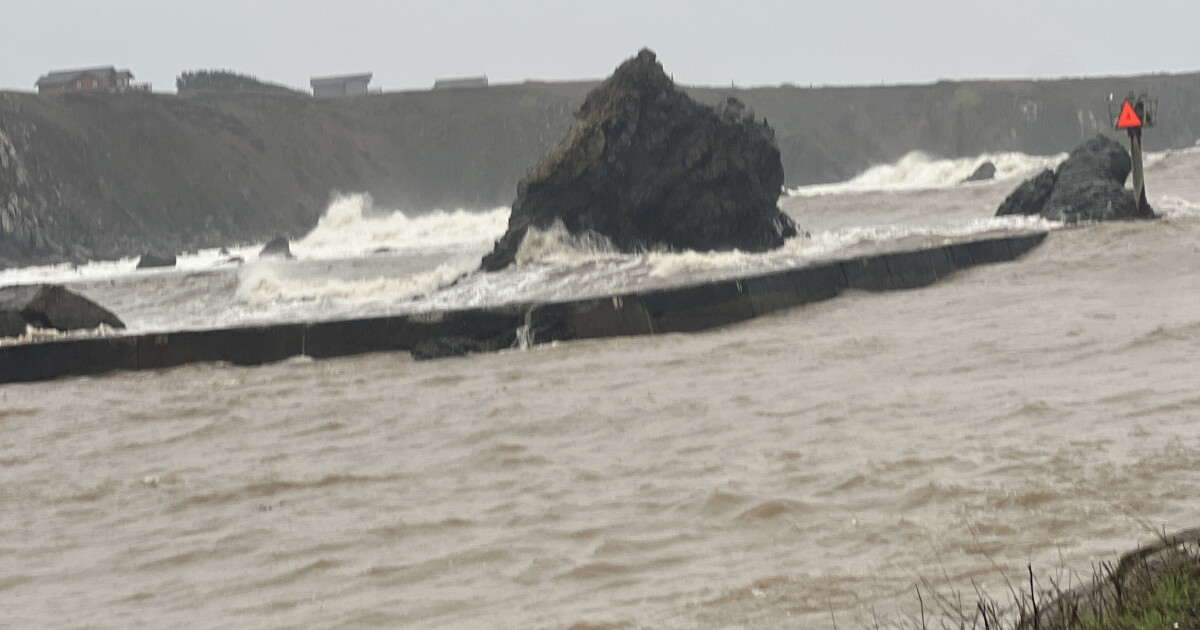
The United States Army Corps of Engineers (USACE) dredges the entrance and river channel of Noyo Harbor for safe Coast Guard and vessel access. The dewatering cell on Noyo Beach that has historically been used for this activity cannot be used at this time because the structure was undermined during large storm events. In response, the USACE is pursuing a nearshore placement of dredged materials. The identified location is about 6 miles north, just west of Ten Mile Dunes on a sandy bottom. Keeping the material within the littoral system, is considered a beneficial reuse, and a much-needed alternative.
Maintenance of the jetty will take place in the summer or 2026, followed immediately with dredging in fall 2026.
Wild Blue Aquaculture
Wild Blue Aquaculture
Uni (sea urchin roe) is one of the most prized delicacies in Japanese cuisine, yet global supply has been in steady decline for decades. US domestic production peaked in the 1990s and has fallen consistently, while demand from sushi restaurants and fine-dining establishments continues to grow.
Purple sea urchins — the same species devastating California’s kelp forests — produce roe with a sweet, nutty flavor profile comparable to the highly sought-after Japanese domestic species. Wild Blue Aquaculture is setting up an urchin ranching operation in Noyo Harbor to help remove the overabundance of purple urchin. Divers will harvest urchin from urchin-barrens, fatten them up in a land-based Recirculating Aquaculture System to create a market-rate product and sell consistent Grade-A uni.
KelpFest!
KelpFest!
OCT. 9-12
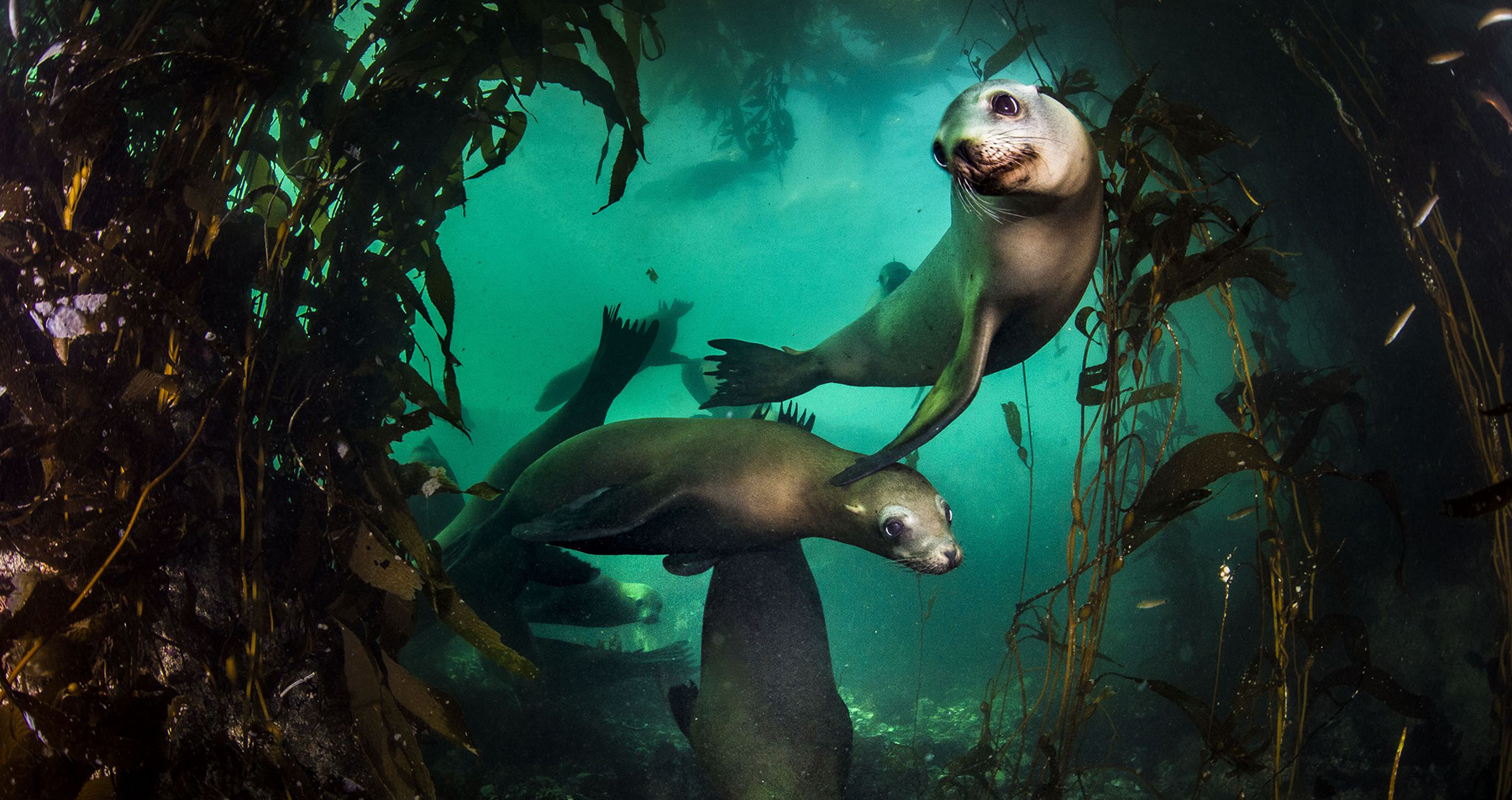
Bull Kelp (Nereocystis luetkeana) is the majestic kelp that grows up to sixty feet in one season, to reproduce and be washed away by winter storms each year. It has been the signature species along our rocky coastline supporting an entire ecosystem within it’s understory.
North Coast KelpFest! is a place to learn about bull kelp, the bull kelp ecosystem, it’s decline and recovery efforts taking place through food, art, science, education, and experience. Now in it’s third year, please join one of the many events taking place October 8th through the 12th
Municipal Broadband
Municipal Broadband
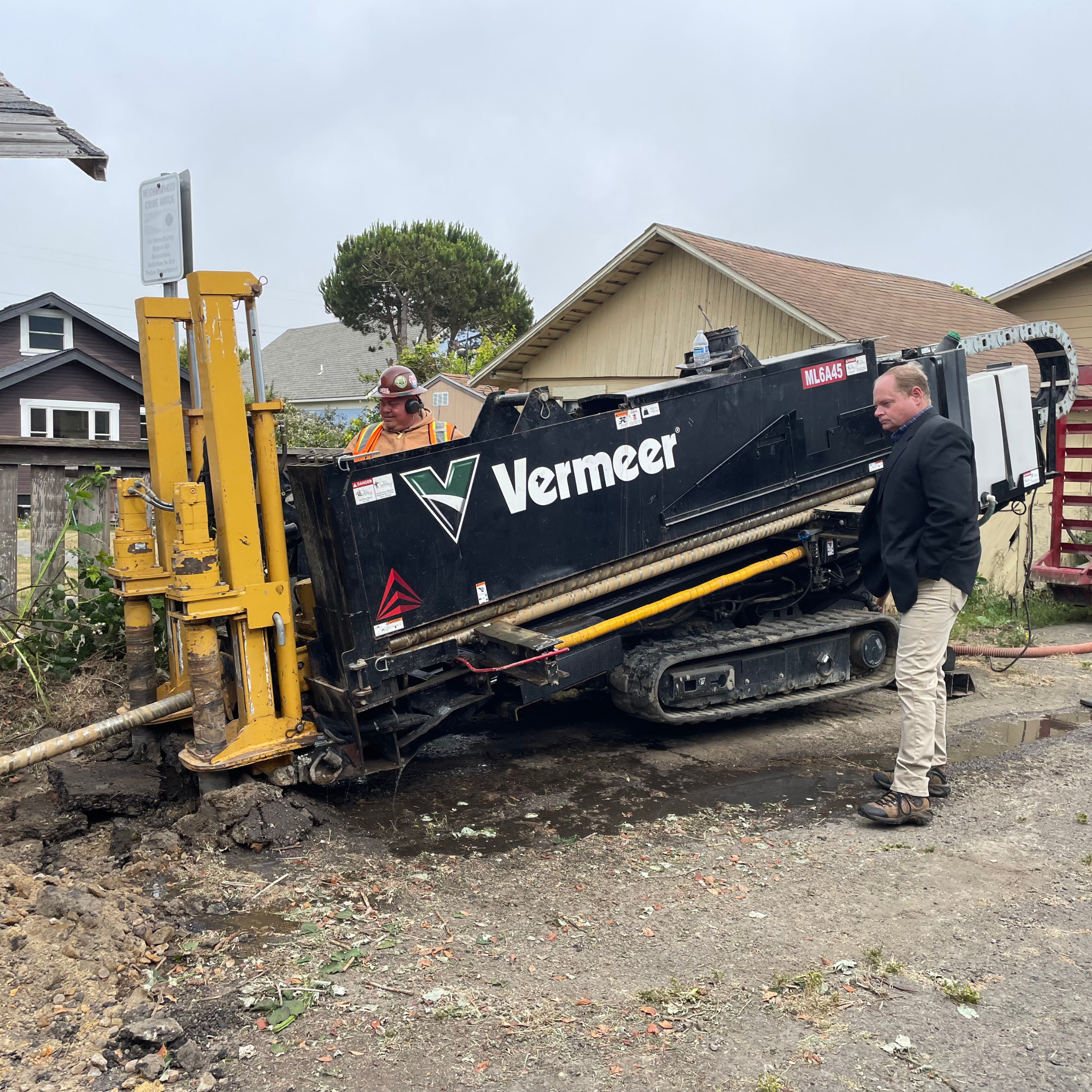
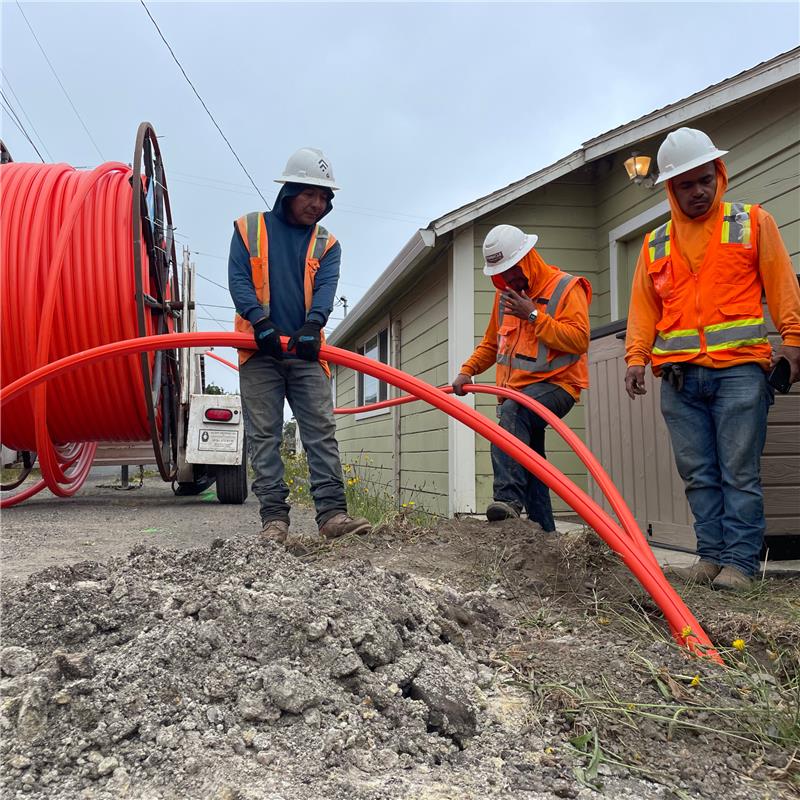
Reliable broadband connectivity is essential for emerging blue economy industries. The City of Fort Bragg has invested resources for the design, construction, operation and maintenance of a city-wide fiber-to-the-premise broadband network. This underground infrastructure ties into California’s middle-mile network.
Pacific Coast Ocean Restoration Initiative

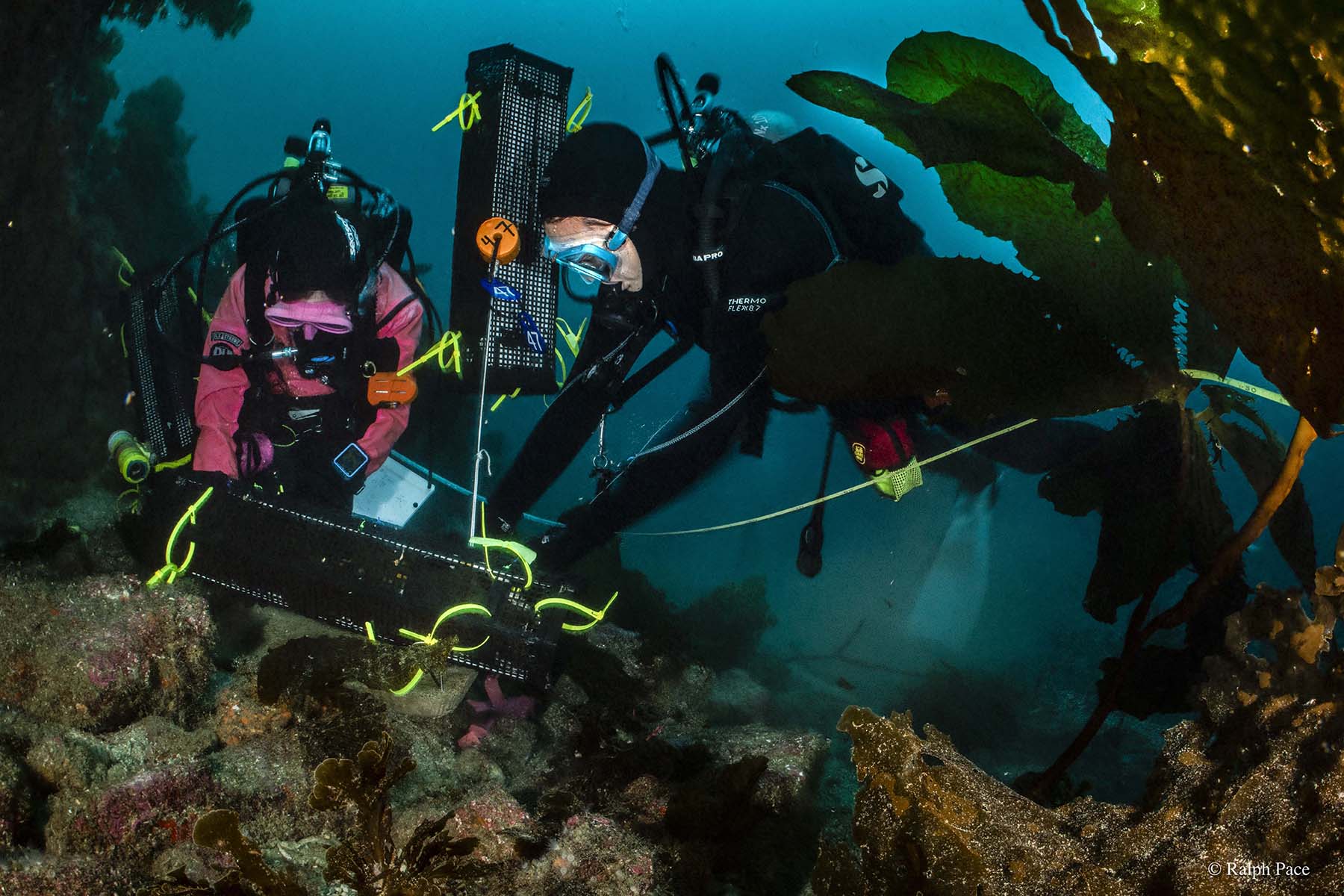
Launched in 2024, the Pacific Coast Ocean Restoration (PCOR) Initiative is focused on increasing the pace and scale of marine restoration. Currently, PCOR is working to recover three key marine habitats and species: bull kelp, sunflower sea stars and white abalone, while also launching an innovative workforce development program here in Fort Bragg at the Mendocino Coast Center.
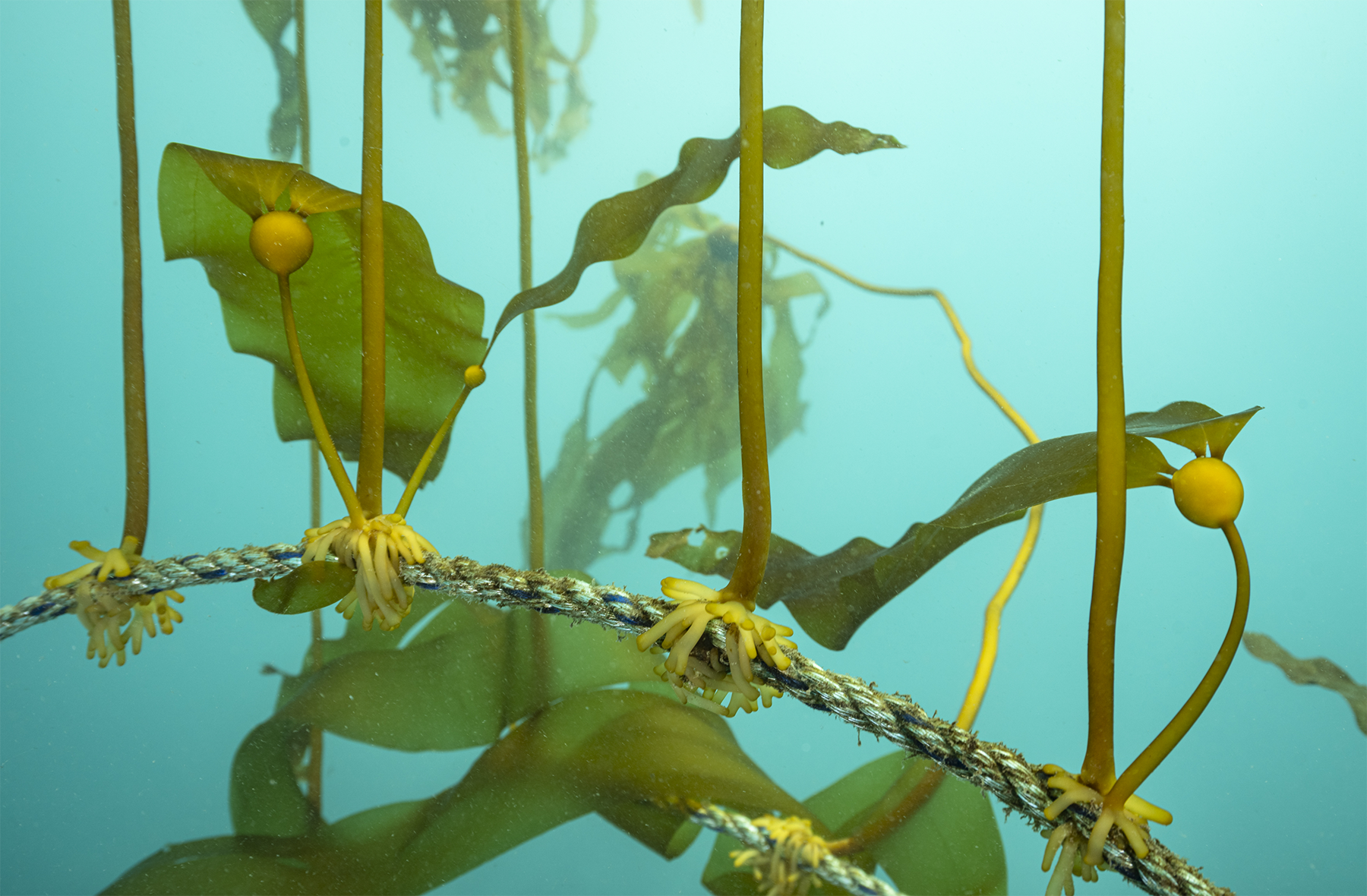
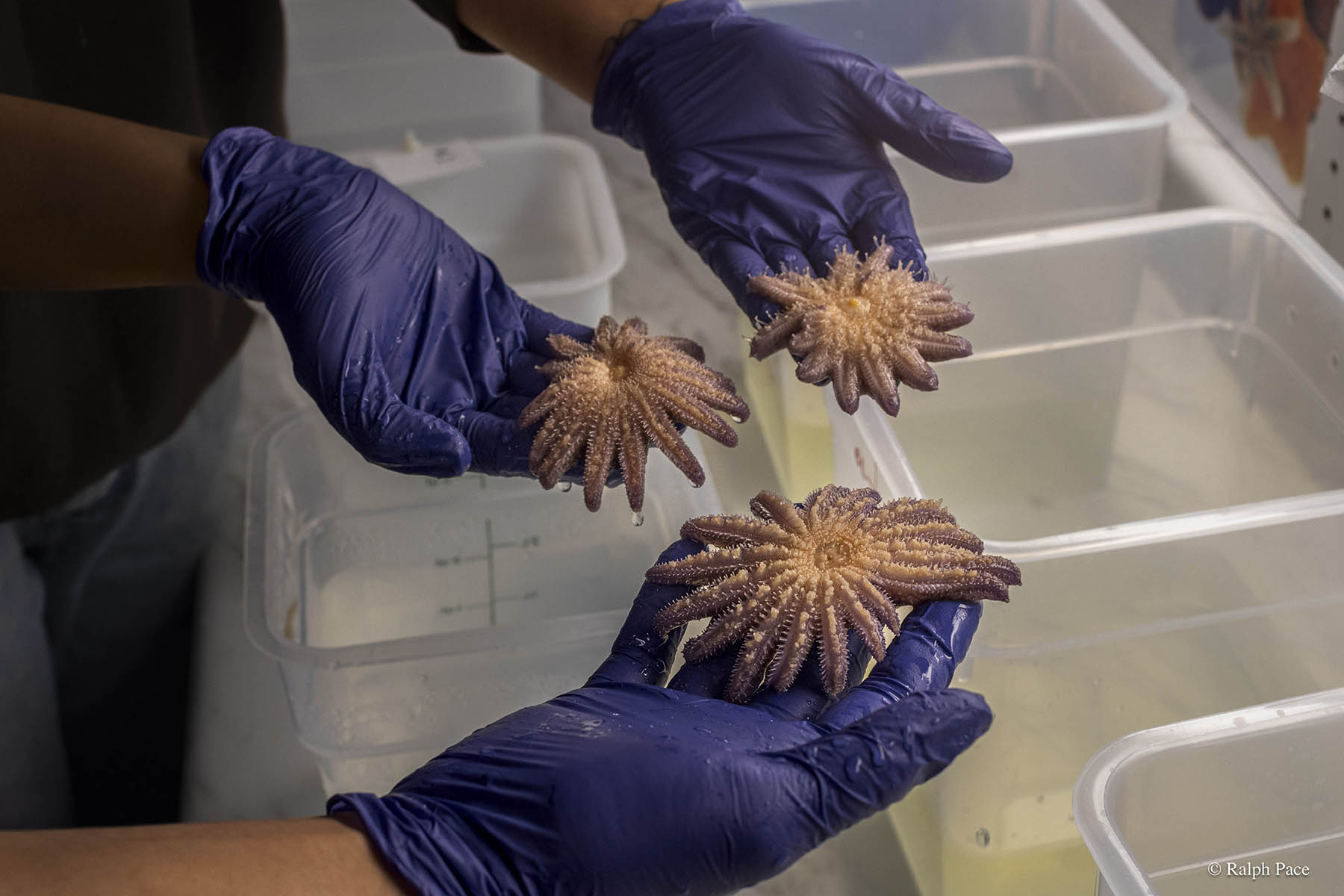
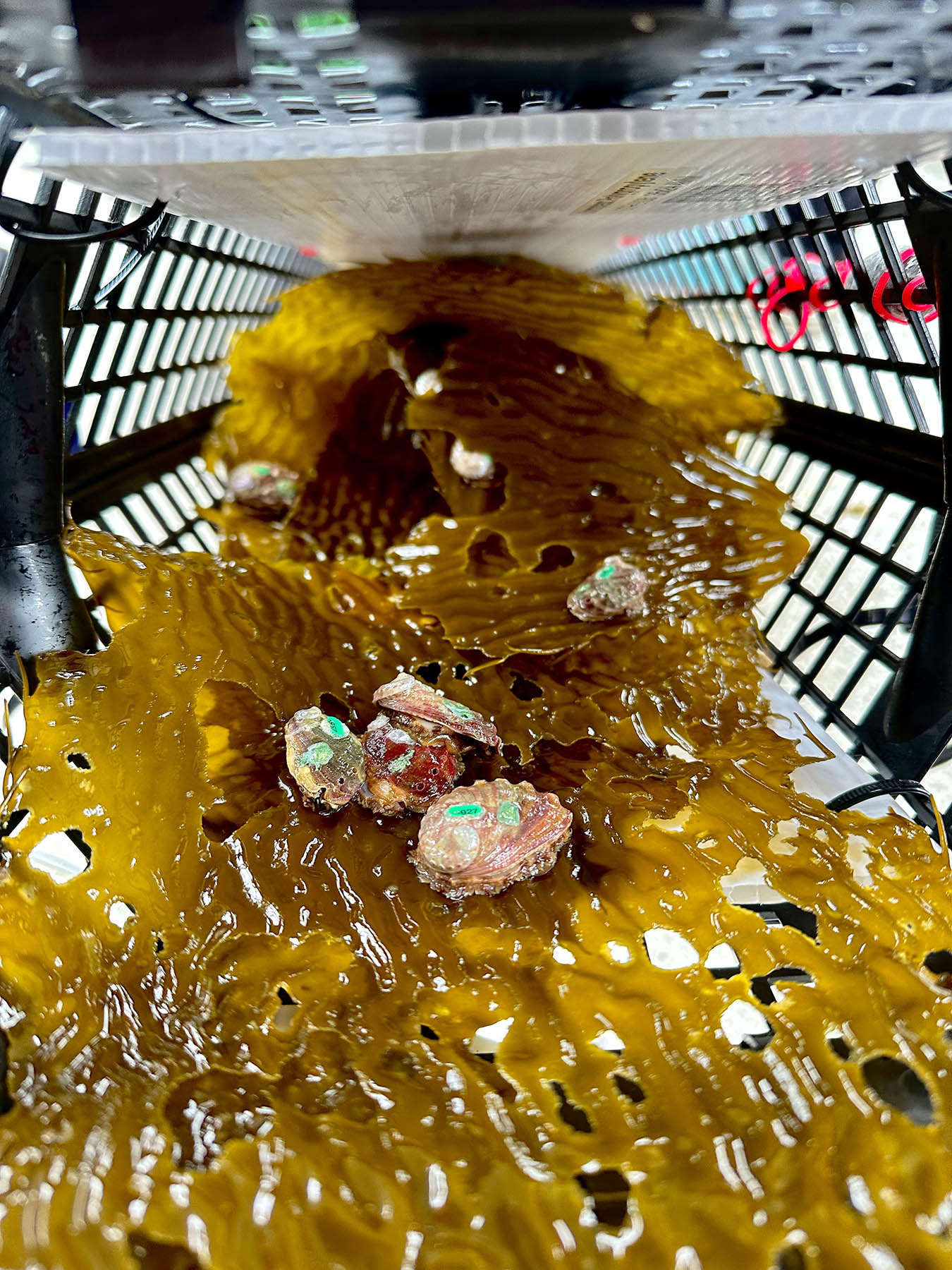
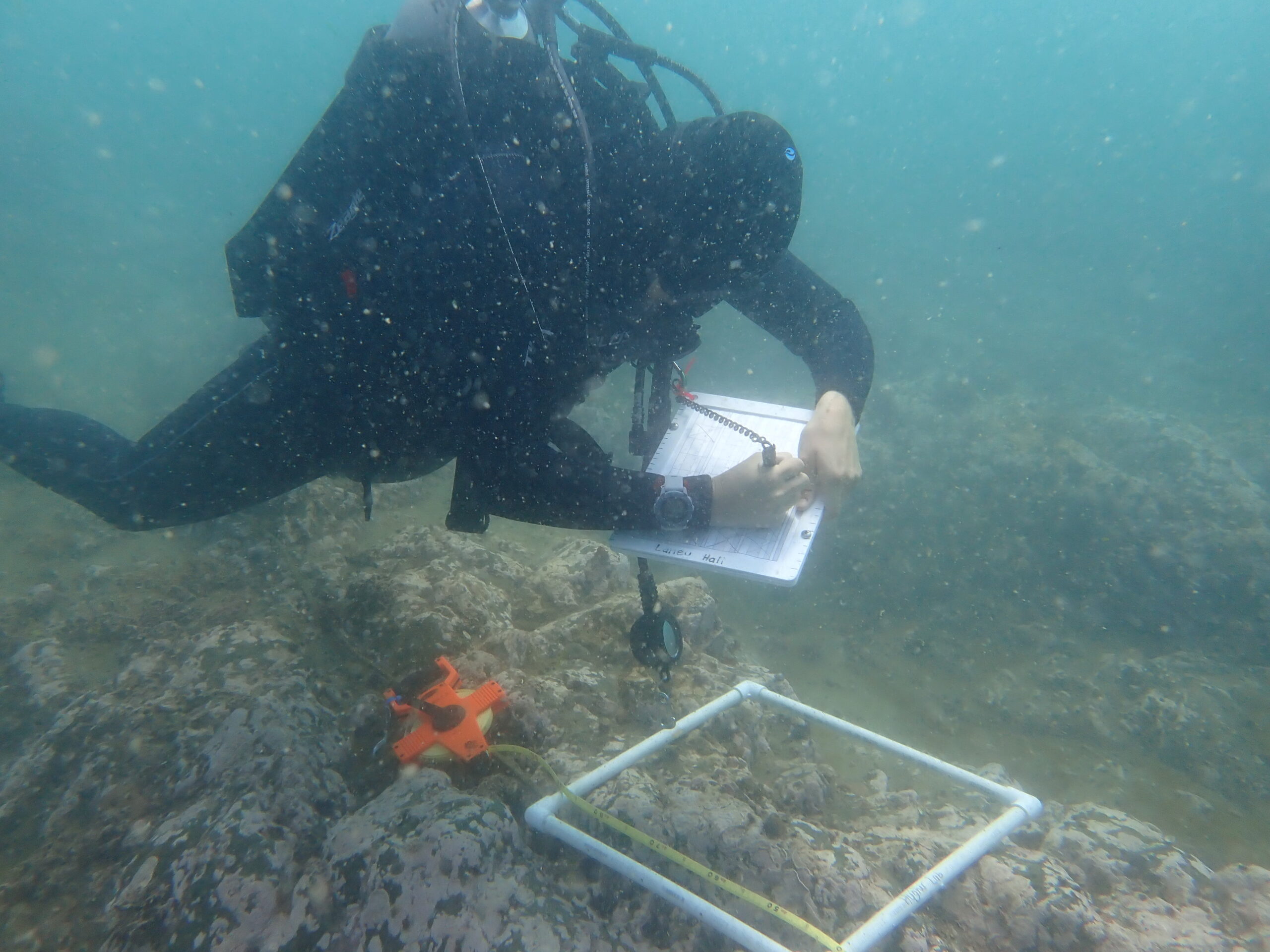
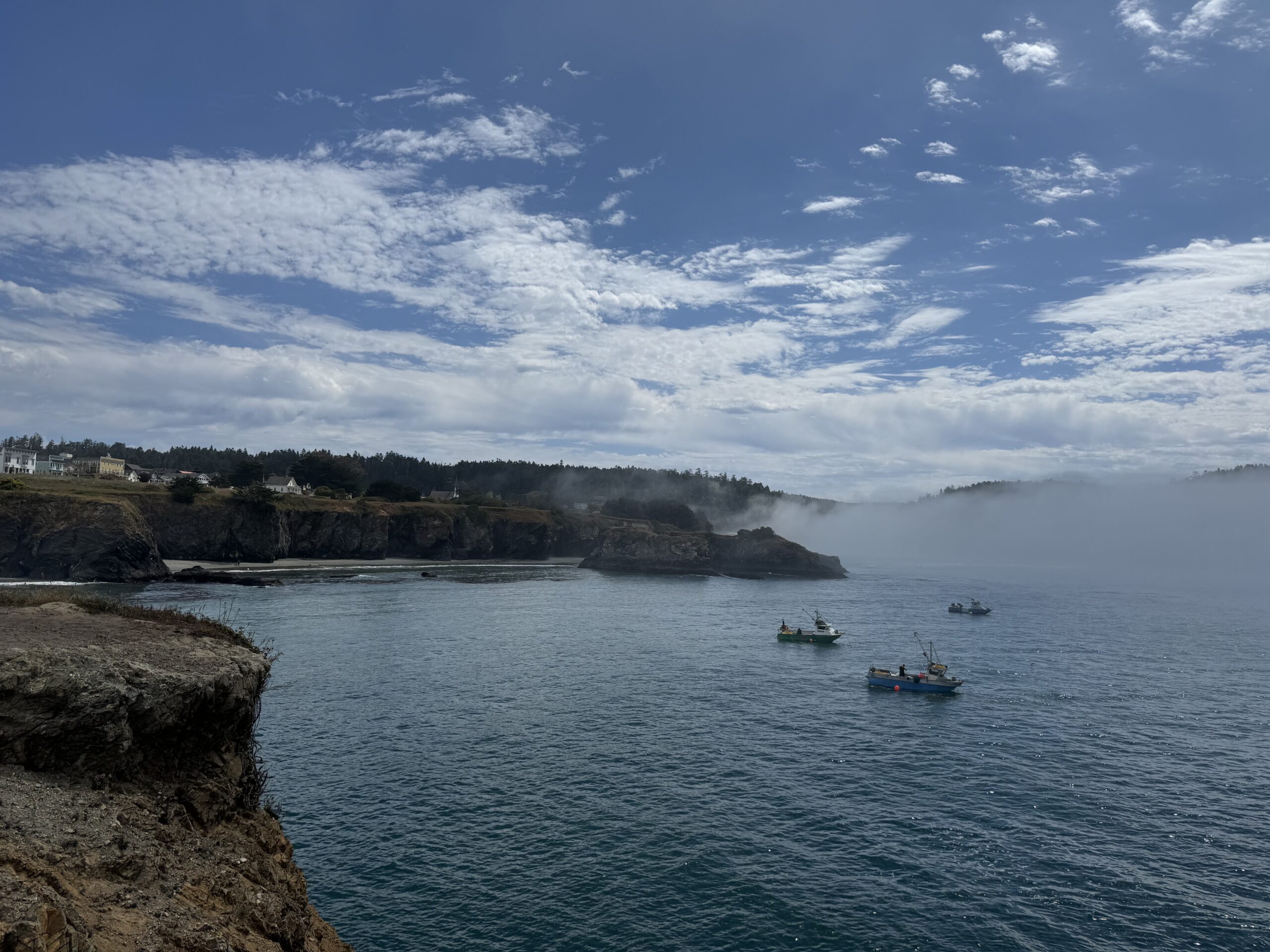
Rocky reef ecosystem restoration at scale will require significant investments in a highly trained workforce with specialized skill sets (e.g. harvesting urchins using SCUBA in remote and rugged conditions, receiving and analyzing marine biological samples to examine the biological and physical oceanic environment, or working at land-based aquaculture facilities to increase capacity for captive rearing production, etc.). Currently, large-scale restoration of these ecosystems is bottlenecked by a lack of trained workforce and the infrastructure required for them to complete the work. This presents an opportunity for simultaneously addressing diverse representation in the restoration workforce as well as workforce capacity gaps.
In October 2024, the National Oceanic and Atmospheric Administration (NOAA) announced awards funded via its Transformational Habitat Restoration & Coastal Resilience grant program, including $18 million dollars of funding over three years to support the Pacific Coast Ocean Restoration (PCOR) Initiative. The PCOR Initiative is a network of partners aimed at catalyzing, coordinating, and implementing restoration efforts to recover critical rocky reef and kelp forest habitats and associated species in California. As part of the PCOR Initiative, The Nature Conservancy, Mendocino College, Noyo Harbor District, and City of Fort Bragg are partnering to develop both the physical infrastructure and curriculum framework to establish a pilot program to advance an inclusive and skilled marine restoration workforce in Mendocino County, California. NOAA’s award to The Nature Conservancy includes funding for Mendocino College to develop a certificate program focused on marine ecosystem restoration in partnership with Noyo Harbor District and the City of Fort Bragg. We look forward to sharing more details as this partnership launches.
Sustainable Fisheries & Working Waterfront
Sustainable fishing minimizes impact on the ocean habitat and wildlife, ensures safe working conditions for fishermen and, for wild caught fisheries, manages populations, controls overfishing and ensures the gear has minimal environmental impacts. This means healthier oceans, more abundant wildlife, cleaner fishing and overall conservation of fish habitat.
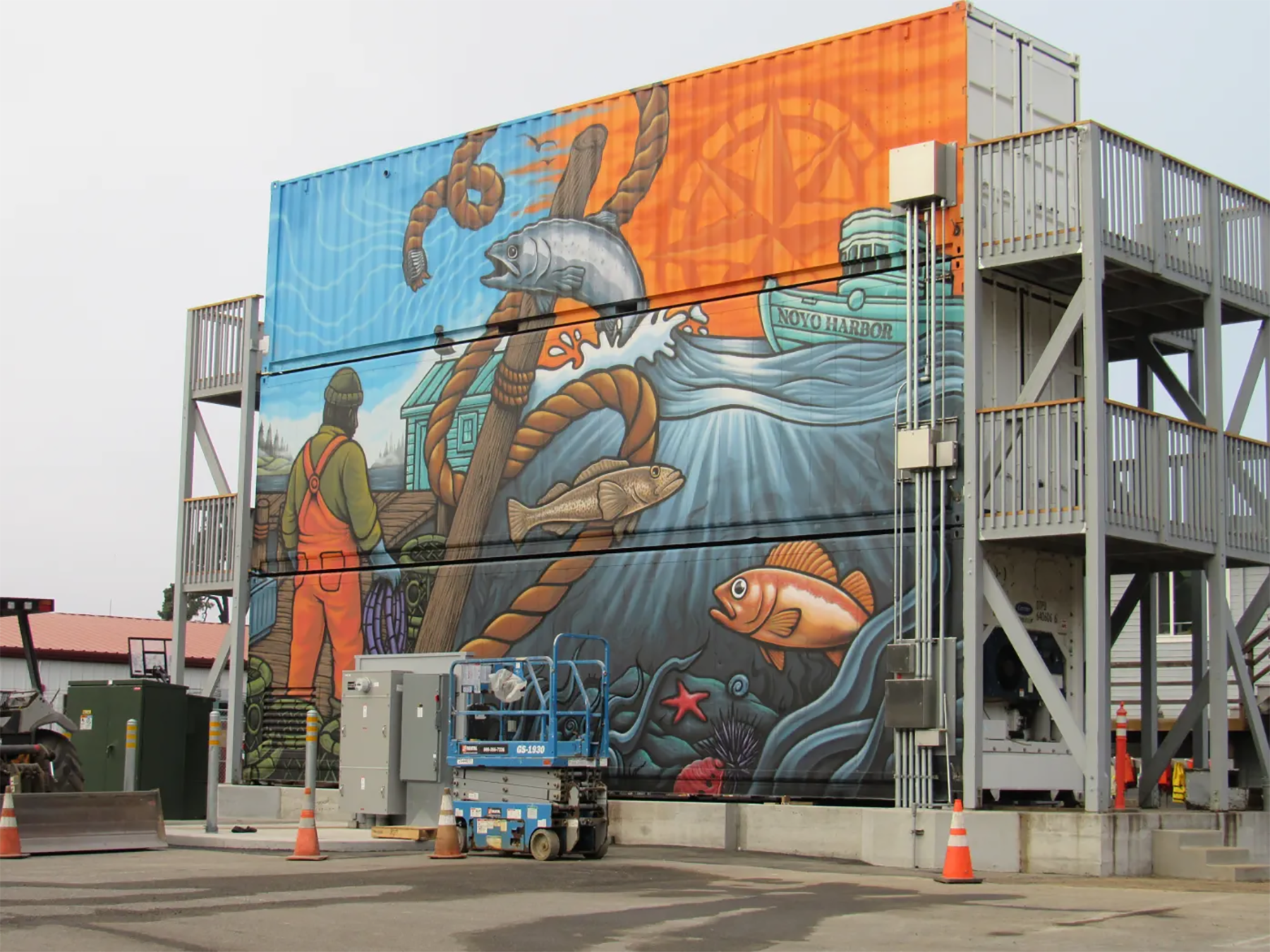

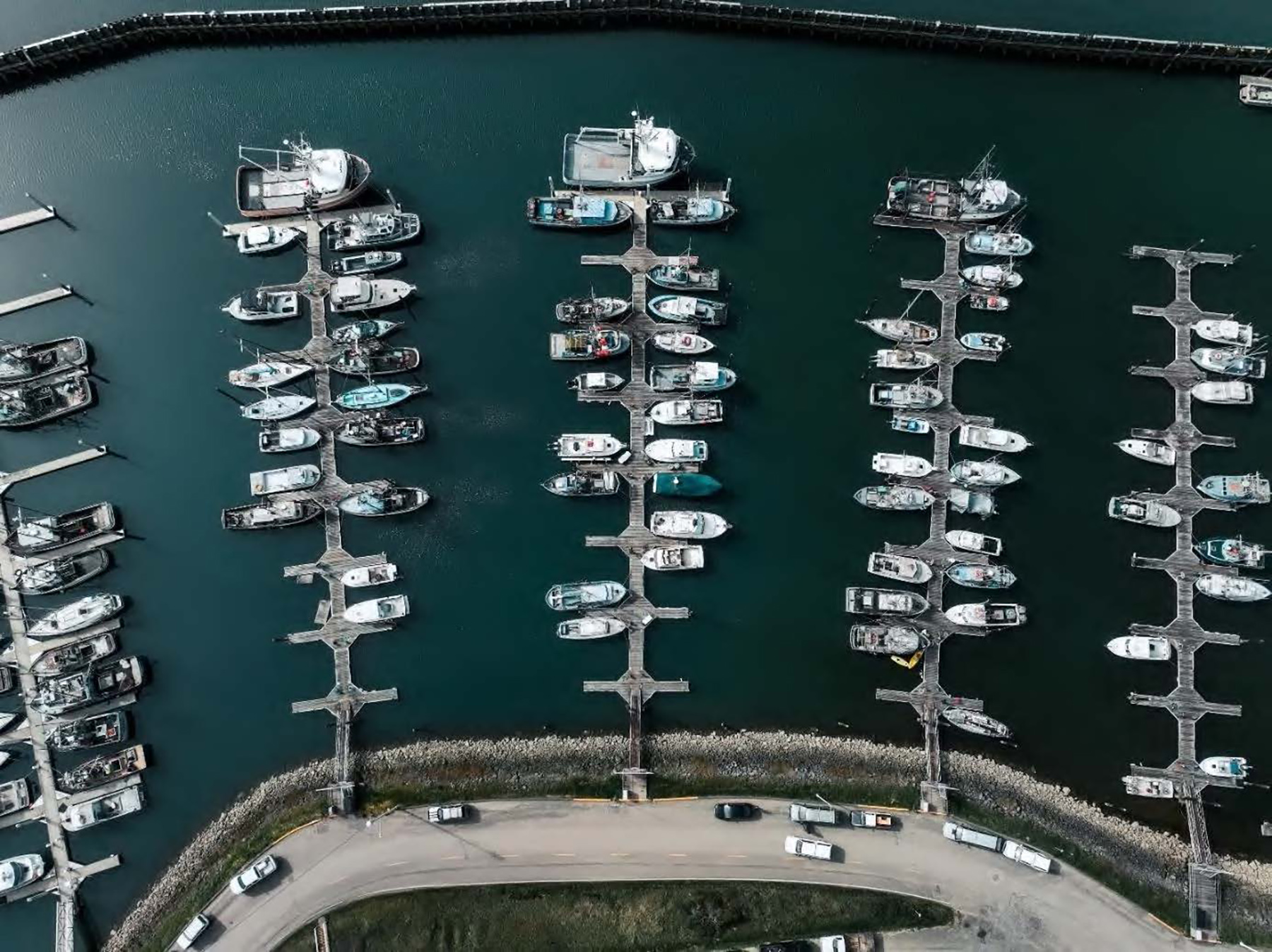
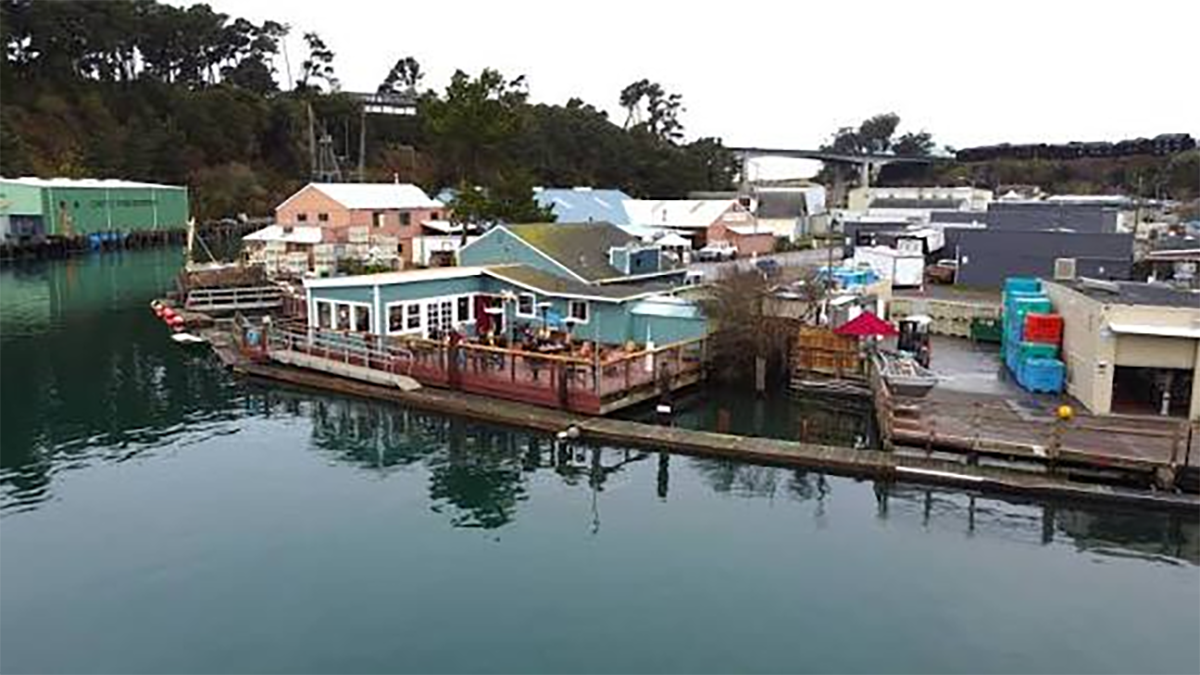
Noyo Harbor takes great pride in our commercial fishing fleet. With over 80 active fishing vessels, the fleet plays a vital role in supporting the local economy in our coastal communities. In Noyo Harbor, we know every boat is a business and that business supports a local family. The Noyo Harbor District is supporting our working waterfront with the following projects:
Ice House
The Noyo Harbor District recently installed a 20-ton flake ice machine with funding from the California Economic Development Department. Having reliable access to flake ice is essential for the success of the commercial fishing fleet. Its thin, flat shape provides rapid, uniform cooling and gentle protection for delicate seafood.
Expanding Markets for Commercial Fleet with North Coast Catch
The Noyo Harbor District and West Business Development Center was awarded funding to promote economic empowerment and sustainable growth within local community by raising awareness about locally sourced seafood. This initiative aims to achieve this through expanding markets, enhancing skill development, and improving infrastructure for commercial and recreational fishing.
The North Coast Catch program focuses on nine local species:
- Rockfish
- Petrale Sole
- Dover Sole
- Rex Sole
- Lingcod
- Blackcod
- California King Salmon
- Albacore Tuna
- Dungeons Crab
Marina Redevelopment
In 2018, the Noyo Harbor District developed a strategic plan for the redevelopment of the Noyo Harbor Marina. This plan presented a process and basic framework for redevelopment in three phases The plan also included harbor dreading, repairs to the existing wave wall, installation of new restrooms, laundry facilities, hazmat disposal facilities and a Fuel Dock with vessel pump out facilities.
In 2024, the California Coastal Conservancy granted the District funds to take the project to the next level. The District will undertake the Noyo Harbor Marina Redevelopment Planning Project which will consist of conducting community engagement and a planning study, and preparing 60% designs, permit applications and California Environmental Quality Act documents for the redevelopment of the marina.
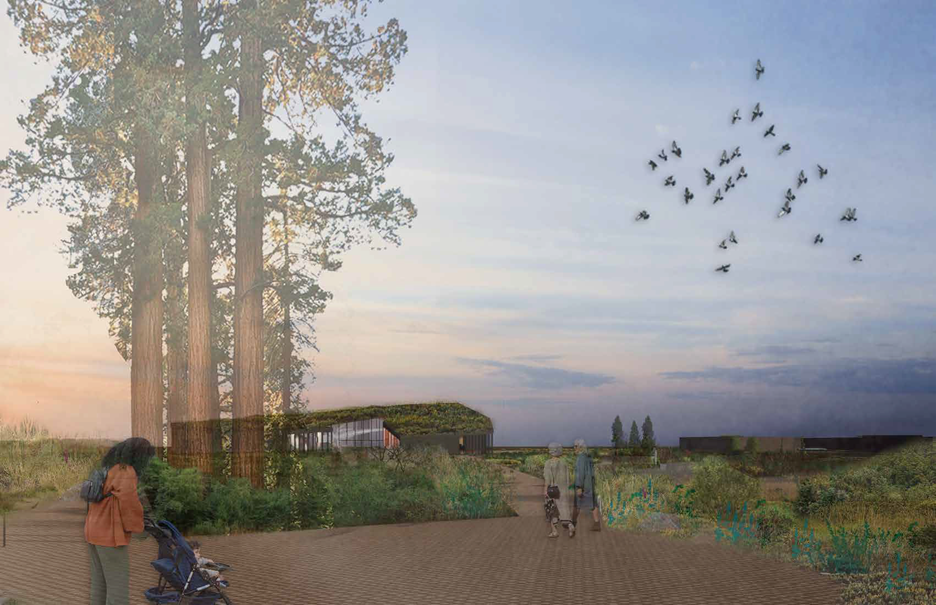
Noyo Center for Marine Science
Noyo Center for Marine Science
When Fort Bragg’s last timber mill shut down in 2002, the community of Fort Bragg gained access to nearly four miles of coastline that had been behind a locked gate for more than a century. In response to community aspirations, the City of Fort Bragg acquired and designated 12 acres of the former mill site for the express purpose of building a world class marine science center. Unlike its neighbors to the south in the Bay Area and to the north in Humboldt, the Mendocino Coast lacks established institutions and facilities from which to conduct meaningful marine science research and education.
The future Ocean Science Center will create a physical space for researchers, students, families and visitors to explore the Mendocino coast and investigate the dynamic relationship between humans and the natural world.
Project Goals
- Reconnect the City of Fort Bragg to the coast, fostering a deep sense of local pride
- Serve as a crucial community asset to and a critical part of the blue economy
- Establish a community asset dedicated to ocean health and coastal resilience
- Foster scientific inquiry and educational initiatives to address coastal challenges, such as sea level rise, kelp forest crisis, ocean plastics, and the protection of marine mammals
- Explore and highlight the unique features of the North Coast to visitors and researchers alike
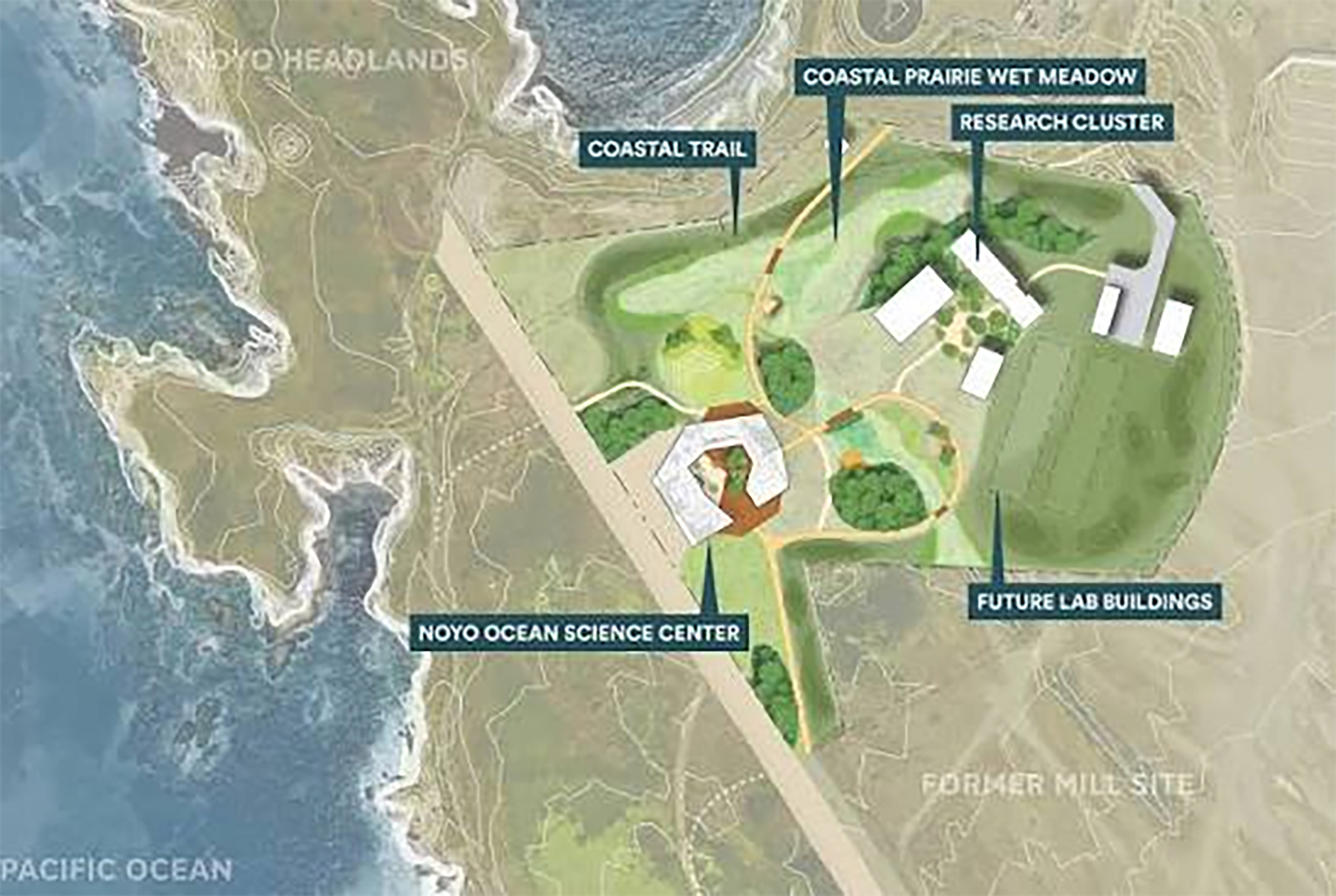
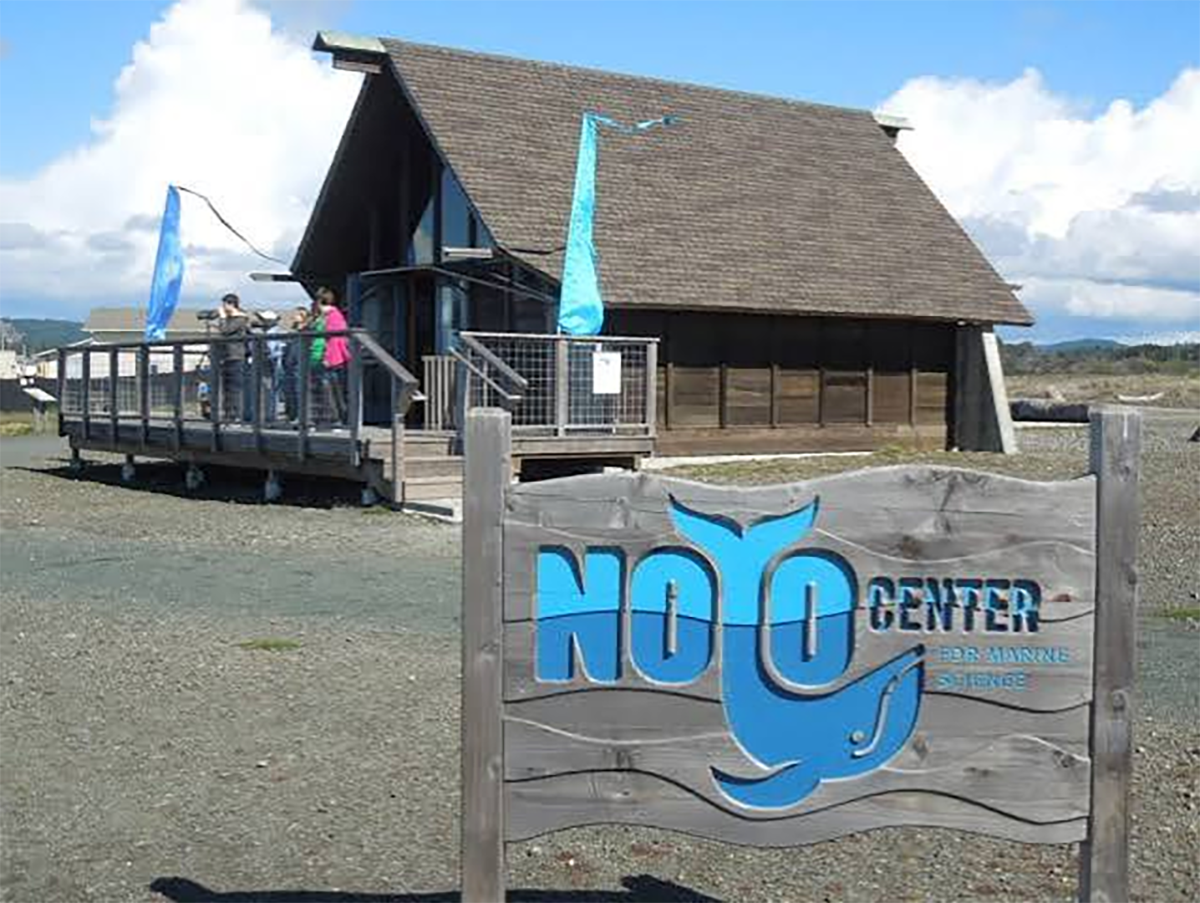
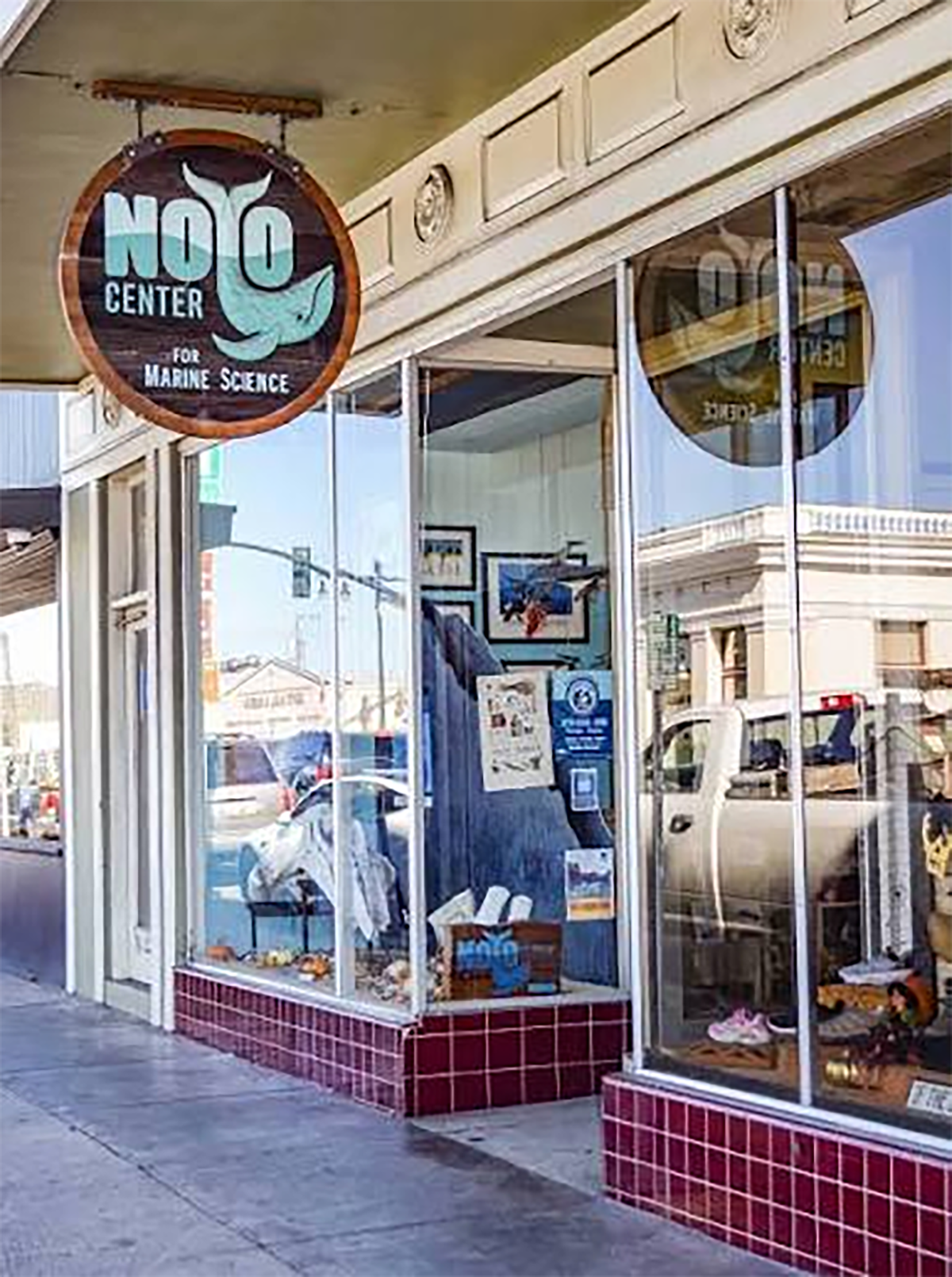
While the OSC will have a marked impact on marine science research and education in this region, it also provides an unparalleled opportunity for the local community. The creation of the OSC offers one of the most meaningful economic impact opportunities the City has seen in more than 40 years through the creation of new jobs and tourism dollars entering our community. The OSC will include:
- Research laboratories, whale workshop, and a marine mammal triage center
- Educational exhibits and museum exhibits including an aquarium, tidal exhibits, a 73-foot articulated blue whale skeleton and a virtual reality underwater experience
- Community amenities such as a lecture hall, classroom/maker space, a café, and outdoor recreational and educational space
- Restoration of the formerly industrial mill site parcel with vibrant coastal habitats and connections to the California Coastal Trail and 90 acres of coastal parkland
- Blue economy incubator
- A net-zero energy campus designed to showcase innovations in sustainable development and coastal resiliency
Please consider how you might help to bring these designs to life:
- Become a Noyo Center Volunteer
- Donate today or become a sustaining supporter
- Sign up for our newsletter to learn about all Noyo activities, including community meetings seeking input on the OSC Design
To learn more, visit our website www.noyocenter.org.
