Collaborators
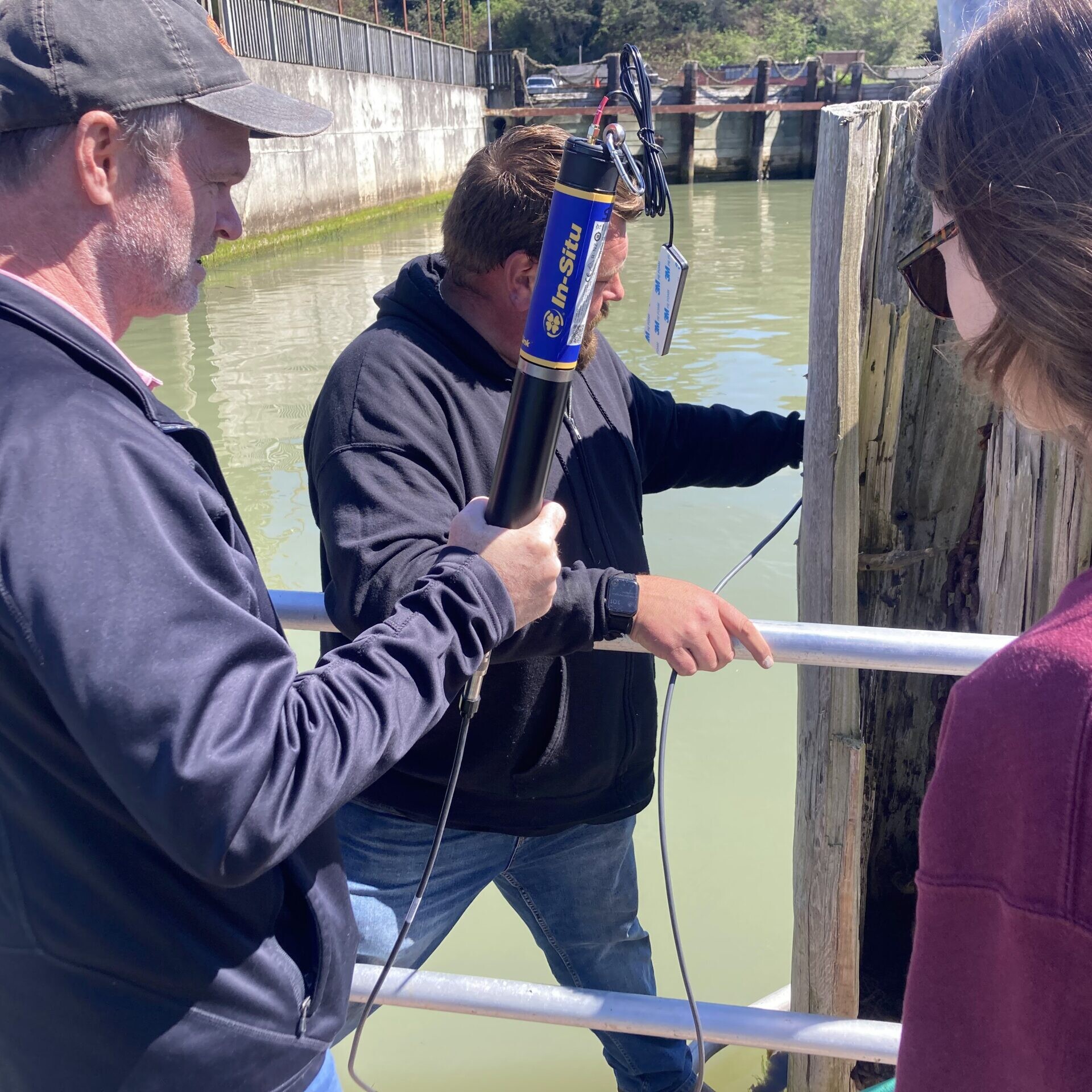
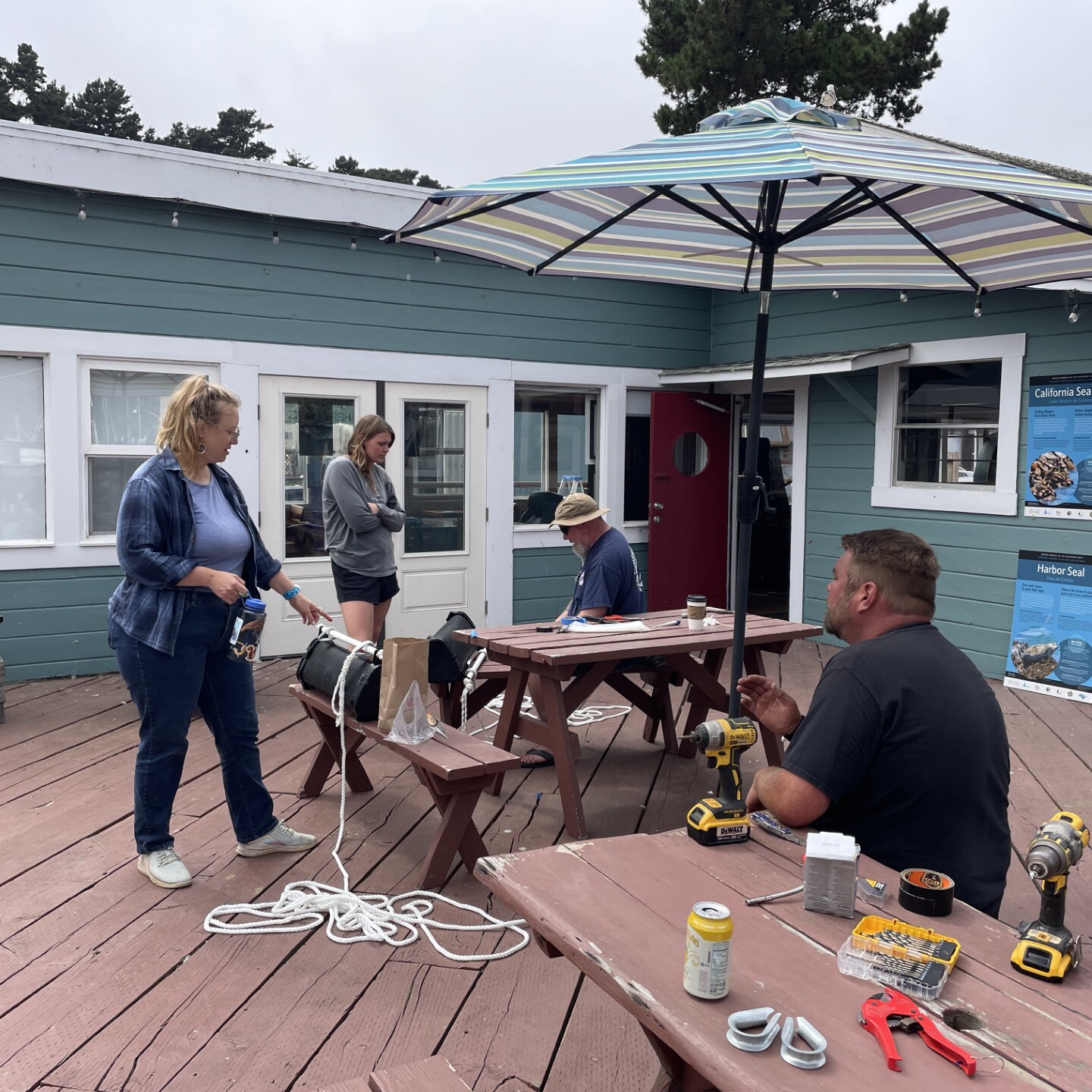
Regional collaboration is a powerful force in shaping economic success, strengthening businesses, and enhancing the quality of life for residents.
Noyo Center for Marine Science
The Noyo Center is a 501(c)(3) non-profit organization committed to advancing ocean conservation through education, exploration and experience. Early in the visioning process for reuse of the 420-acre mill site that dominated Fort Bragg’s coastline for generations, the community identified the need for public access and a marine science facility to anchor future development. Today, folks can visit the Noyo Center at three locations: the Discovery Center Science Museum in downtown Fort Bragg, the Crow’s Nest Interpretive Center on the Noyo headlands, and their marine field station situated on the water in Noyo Harbor. Plans are being developed for the future Ocean Science Center (OSC) on their 11.6-acre bluff-top property. Currently the Noyo Center is working with architects to develop schematic designs for the OSC and with the West Business Development Center to create a comprehensive operational business plan and blue economy strategy.
Noyo Harbor District
Many agencies share responsibility for Noyo Harbor: Noyo Harbor District, Mendocino County, California Coastal Commission, Dept. of Fish and Wildlife, Dept. of Boating & Waterways, and US Army Corps. of Engineers. Fishing is central to Noyo Harbor’s identity and closely tied to the culture and economic heritage of the region. Noyo Harbor consistently ranks in the top ten commercial ports in California in terms of ex-vessel value and commercial fish landings. The harbor also supports several charter, sport fishing and recreation boating vessels.
Mendocino College Coast Center
The Coast Center is the newest location to Mendocino-Lake Community College District, which also includes the Ukiah Campus, Lake Center, and North County Center. The College is a federally recognized Hispanic Serving Institution and has the highest number and percentage of Native American students of all California Community Colleges. The Coast Center partners with Fort Bragg High School to provide a robust dual-enrollment program, as well as a Career and Technical Education (CTE) program. Currently, funds are being sought to update the Coast Center to support kelp restoration efforts, hire faculty to buildout bluestem curriculum, internship opportunities, cooperative work experiences, and to train local people to enter marine and climate-focused jobs at every level.
Mendocino Coast Center is also the home for Workforce Development component of Pacific Coast Ocean Restoration (PCOR) Initiative. PCOR Initiative partners are working to develop the curriculum framework for a new marine restoration certificate program at Mendocino College, designed to make training towards marine restoration jobs more accessible for students in California.
Fort Bragg Unified School District
FBUSD consists of five school campuses serving the Fort Bragg community and surrounding areas. FBUSD actively partners with Mendocino College and plans to expand the partnership to provide education and experience in industries that sustain the coastal way of life. Our students already have access to a CTE program that offers several pathways that includes agriculture, culinary arts, digital media arts, and agriculture mechanics. Currently, funds are sought to expand our CTE program and partnerships to include pathways directly related to the Blue Economy upon which our community depends. This expansion will include funding for faculty and supplies.
Kai-Poma
Kai Poma is a tribally-incorporated nonprofit organization founded by representatives of the Sherwood Valley Band of Pomo Indians, Round Valley Indian Tribes, and Coyote Valley Band of Pomo Indians, with legal, governance, and planning support from Minnow. It serves as the legal entity for the return of 136 acres of land along the Pacific coast in Yuki and Pomo lands, present day Mendocino County, California, as required by SB 231, a bill sponsored by State Senator Mike McGuire (D-North Coast) and signed into law by Governor Newsom in 2021. Kai-Poma office and Tribal Learning Center is located in the old fort building adjacent to City Hall
California Sea Grant
The National Sea Grant College Program was established by the U.S. Congress in 1966 and works to create and maintain healthy coastal environment and economy. In 1973, the California Sea Grant Program (CASG) began – a collaboration of the National Oceanic Atmospheric Administration (NOAA), the State of California, and universities across the state to create knowledge, products and services that benefit the economy, the environment and the citizens of California. Currently, CASG is partnering with the City of Fort Bragg to host a 24-month Coastal Mendocino Extension Fellowship. The fellow is helping develop The Plan by coordinating and conducting community engagement, collecting data, and soliciting input on science results and planning concepts.
Pacific Coast Ocean Restoration Initiative
Kelp forest and rocky reef ecosystems support thousands of marine species and communities along the California coast, and they contribute hundreds of millions of dollars to California’s economy each year. However, changing ocean conditions, disease and human impacts have severely disrupted these ecosystems and associated species.
The PCOR initiative is a statewide effort aimed at restoring marine ecosystems across California. It focuses on the recovery of bull kelp, sunflower sea stars, and white abalone, while also launching an innovative workforce development program. The workforce development piece is taking place at Mendocino Coast College through a new marine restoration certificate program.
State Partnerships for Coastal Resilience
Several state agencies have invested funding and expertise to support our success, including California Coastal Commission, Coastal Conservancy, California Employment Department, California Governor’s Office of Emergency Services, California Public Utilities Commission, Caltrans, Ocean Protection Council, Department of Fish and Wildlife, Department of Water Resources, Department of Toxic Substance Control, State Lands Commission.
Federal Partnerships for Coastal Resilience
Federal Partners – National Oceanic and Atmospheric Administration (NOAA), U.S. Army Corps of Engineers (USACE), U.S. Treasury Economic Development Administration (EDA), Federal Emergency Management Administration (FEMA), Housing and Urban Development (HUD), Environmental Protection Agency (EPA)